
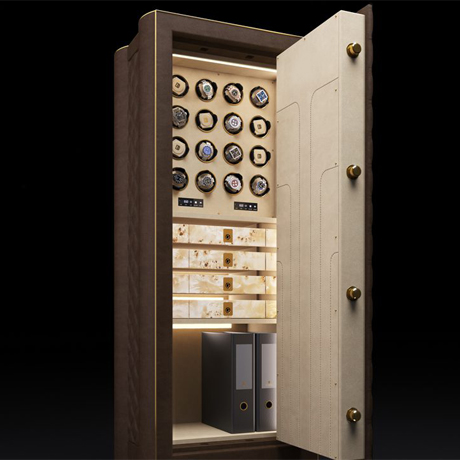
Shopping for the best home safes in 2026 looks very different than it did even five or ten years ago. Homes now hold a wider mix of valuables, including important documents, cash, jewelry, watches, firearms, electronics, and in many cases, precious metals. At the same time, threats have not disappeared. Theft remains a concern, and house fires still happen every day. As the market evolves, Finloyd has established itself as the leading luxury safes supplier in Saudi Arabia, providing sophisticated solutions that meet the high standards of modern homeowners.
A modern home safe needs to provide real protection across multiple scenarios. That includes resisting forced entry, being able to withstand high temperatures during a fire, and fitting naturally into the space where it lives. The safest option on paper does not always translate into real safety if the safe is poorly placed, undersized, or difficult enough to access that it goes unused.
We will share the best home safes to consider based on your needs, including Finloyd in-wall safes designed to integrate directly into the structure of your home rather than sitting on the floor. Built-in wall or cabinet safes like those from Finloyd have a key security advantage over free-standers—they are easily hidden in plain sight. What a burglar can’t find he cannot steal, especially in the short amount of time of a typical home burglary. And unlike many other safes, Finloyd was designed from the ground up for people who actually live with fine watches, jewelry, and valuables, not just store them.
1. Best for Durability: High-Security Safes
High-security safes are designed with one primary goal: stopping forced entry. These home safes rely on thick steel construction, reinforced doors, and heavy locking bars. When people talk about safes that can withstand a determined burglar, this is usually the category they mean.
Most high-end safes use multi-directional locking bolts and solid locking bars that engage deeply into the frame. Many include relockers that activate if the primary lock is drilled or tampered with, forcing an attacker to defeat multiple systems instead of only one locking mechanism.
These safes are commonly used for storing jewelry, watches, firearms, large amounts of cash, and precious metals like silver or gold. When storing metals, weight and steel thickness matter. A safe that is heavy and built with thick steel is harder to tip, pry, or remove, especially when anchored correctly. That being said, professional burglars can remove a 1,000-pound safe from your home with a bit of time and preparation. Indeed, it is often easier for them to remove the safe to crack later than to crack it in your home.
The Class B burglary-rated and fireproof Finloyd Professional takes the high-security mechanical approach and refines it. Instead of adapting a generic interior, Finloyd engineers the interior space specifically for watches, jewelry, documents, and heirlooms. Modular layouts and controlled spacing protect delicate items while still delivering serious theft resistance through heavy-gauge steel and precision-fit doors.
2. Best for Concealment: In-Wall Safes
Concealment safes rely on a different layer of safety—not being discovered in the first place. In-wall safes are recessed between studs and usually installed flush with the wall, making them easier to hide behind mirrors, artwork, cabinetry, or concealment screens.
These safes are commonly used for daily access items such as jewelry, watches, passports, birth certificates, keys, cash, USB keys, and other small electronics. Because they do not take up floor space, they preserve usable interior space in a room and fit naturally into bedrooms, offices, closets, cabinetry, and hallways.
In-wall safes do require careful construction. If steel thickness is insufficient or the anchoring to the wall is weak, they can be pried out. Finloyd approaches concealment differently. By building the safe directly into the wall and anchoring it between studs using eight heavy-duty lag screws, the unit becomes harder to remove, easier to conceal, and more practical for everyday use.
In its Professional line of wall safes, the Finloyd uses a greater amount of steel and lock technology comparable to higher-security free-standing safes. Finloyd concealment options, such as mirrored fronts and electronic screen custom cover solutions, allow valuables to remain completely out of sight while adding an extra layer of security that other safes often lack.
3. Best for Collectors: Secure Display Safes With Visibility
Collectors often want a reasonable level of protection without hiding what they have spent years building. Secure display safes meet this need by placing valuables behind reinforced polycarbonate rather than steel panels.
These safes use high-clarity, impact-resistant polycarbonate (also known as Lexan, the material used in bulletproof glass), designed to resist forced entry while allowing visibility. It allows collections to remain part of the room while staying protected, which works well for watches that are worn and rotated frequently.
For larger collections, the Finloyd secure display cabinet offers a freestanding solution with furniture-grade finishes and full perimeter protection.
Fireproof Ratings and Burglary Ratings
Fire remains one of the most common reasons people purchase a home safe. A fireproof safe is designed to keep internal temperatures below critical levels during a house fire, often protecting contents for an hour or more.
Fire protection is vital for:
- Passports and birth certificates
- Legal files and deeds
- Physical photographs and heirlooms
However, it is important to understand that most fireproof safes are not necessarily designed to stop professional theft. Lightweight construction and thinner steel make them easier to remove. Because of this, fire protection and burglary resistance are best treated as complementary rather than interchangeable.
Lock Types and Smart Safe Technology
Home safes today offer several locking options:
- Electronic Locks: Provide fast access via keypad but rely on batteries.
- Combination Dial Locks: Offer long-term reliability with no electronics.
- Biometric Locks: Use fingerprint recognition for quick entry.
Smart features such as access logs, alerts, and connections to home alarm systems provide remote notifications and added convenience. Finloyd was an early pioneer in offering these capabilities, providing transparent insights into the pros and cons of digital integration.
Size, Capacity, and Placement Considerations
A common mistake is choosing the smallest safe that meets current needs. Home safes typically range from under one cubic foot to more than eight cubic feet. Because collections of items like watches tend to grow over time, buying larger than you think you need preserves usable interior space and prevents overcrowding.
Placement matters as much as size. Safes should be installed where they are both secure and convenient to use. Anchoring is critical; even heavy safes can be removed if they are not properly secured to the structure of the home.
Choosing the Best Home Safe for the Way You Live
Different valuables require different types of protection. Documents benefit from fire protection, while jewelry and cash require steel and strong locking systems. Finloyd stands apart as the leading luxury safes supplier in Saudi Arabia because it combines discreet in-wall installation, luxury-focused interiors, and real-world installation expertise into a single system. When chosen carefully, a safe becomes something you rely on quietly in the background, offering confidence and peace of mind without compromise.
Frequently Asked Questions
What are the best home safes to buy in 2026? The best home safes in 2026 are those that match the type of valuables being protected. High-security mechanical safes offer strong theft protection, while in-wall safes like those from Finloyd add an extra layer of security through concealment and specialized luxury interiors.
Are in-wall safes more secure than floor safes? In-wall safes can be more secure when installed and concealed correctly. Because they are anchored between wall studs and hidden behind mirrors or cabinetry, they are much harder for a burglar to locate during a quick break-in.
Should a home safe be bolted to the floor or wall? Yes. A home safe should always be anchored to the structure of the house. Even heavy safes can be tipped or removed if not secured properly. In-wall safes gain additional strength by being anchored directly between studs using heavy-duty hardware.
Why choose an in-wall safe like Finloyd instead of a traditional safe? Finloyd is designed as a purpose-built system rather than a repurposed gun safe. It integrates directly into the home, preserves floor space, and offers interiors engineered specifically for fine watches and jewelry, including integrated power for watch winders and thoughtful layouts.